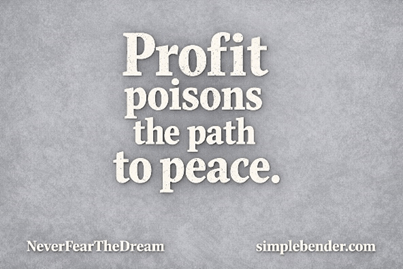
True peace involves transparency and lasting stability, not just temporary agreements that leave underlying issues unresolved.
Peace usually arrives in one of two ways: the combatants decide they’ve had enough, or one side is crushed. When the cost of continuing exceeds the cost of stopping, both parties yield—grudgingly—and accept a compromise. It’s rarely elegant. More often, it’s a deal both sides dislike, but it’s better than attending the next round of funerals.
Mediators can help when they are genuinely independent: attentive to each side’s fears, aims, and non-negotiables, and skilled at translating rage into terms that can be signed. A good mediator doesn’t erase the chasm; they build a narrow, temporary bridge and keep traffic moving long enough for a fragile truce to harden into something closer to peace.
But when the mediator wants something out of the game, the process shifts. Influence becomes leverage. The negotiation stops being about stabilizing a region and starts being about capturing value. Quiet “side letters” and backchannel commitments on resources, arms, protection, exclusive access to markets, manufacturing, or intellectual property tilt the table before the first public handshake. The parties are no longer bargaining over borders or security alone; they’re trading away remaining national assets and future autonomy to a broker whose primary loyalty is to their own gain.
That doesn’t produce peace. It produces a transactional truce: temporary, brittle, and designed to be violated and renegotiated. One side will test it, and the other will retaliate. Both will rearm. Both will reposition, and each will be desperately trying to win the mediator’s favor for the inevitable next round.
And the cold-eyed, self-impressed mediator will call it “progress,” label it “strategy,” and shop for new pressure points. This is not mediation; it is profiteering, prolonging pain for profit. An oversized, bombastic arms dealer in a tailored suit, prolonging the pain until the spoils are secured. Always boasting of skills that don’t exist, promising ridiculous timeframes, and fleecing the dying for the privilege of false hope.
The irony is hard to miss: if the combatants ever compared notes, exposed the hidden terms, and refused to be monetized, they might discover a common enemy—not across the front line but behind the curtain: the amoral mediator profiting from perpetual instability. NeverFearTheDream simplebender.com
..— ….. – …. / ….- –… – ….
-. — / ..-. . .- .-. / -. — / … .. .-.. . -. -.-. .
NeverFearTheDream simplebender.com Stand For Truth
Please consider following simplebender, you’re reading makes my writing more fun..…
Comments and thoughts are always welcome and feel free to re-post …..
 SimpleBender.....wcb