Posted in Current Events, Philosophy

Capacity for Pain

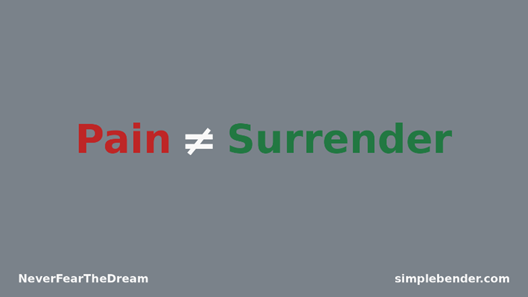
Middle Eastern tolerance for pain is greater than expected. Once again, a Western power is repeating the same mistake with Iran as they have with much of the modern Middle East: they assume pain leads to surrender. That is a very Western way of understanding conflict: material, linear, and transactional. But in the Middle East, suffering is often not seen just as loss. It can also signify and reinforce the resolve for endurance, legitimacy, memory, and honor. Iran demonstrates this logic in one way; the Palestinians in another. Yet they both share and reveal a broader regional pattern of viewing pain not just as punishment but as proof that the struggle is real and, therefore, must be endured.

Iran exemplifies this concept most clearly. The Islamic Republic relies on the Karbala paradigm, martyrdom symbolism, and a political culture of resistance that has intensified since 1979. However, it is not powered solely by martyrdom. It also depends on maslahat—expediency, prudence, and the preservation of the state. This is the crucial point many outsiders miss. Tehran is not built to die heroically. It is constructed to endure, adapt, and survive. It promotes resistance when it benefits the system and compromises when necessary to maintain stability.

That instinct was shaped in ancestral times and hardened in recent history. The 1953 coup taught Iranians that foreign powers would overthrow a government when independence threatened outside interests. The 1979 revolution then fused anti-imperial memory with sacred politics. The Iran-Iraq War completed the lesson. It was prolonged, hugely destructive, and formative. It exemplified much of Iranian strategic thinking: that time itself can be weaponized. One does not always need a clear victory. One only needs to deny the enemy closure, increase his costs, outlast his patience, and drag him through the quagmire for as long as possible.

The Palestinian example demonstrates a similar pattern of resilience. The word sumud—meaning steadfastness—has long represented a way of enduring, surviving, and refusing to be erased regardless of hardship and genocide. A sumud approach fosters a determination to stay in place despite persistent attacks. Iran’s state-centered doctrine and propaganda also use this. Suffering can gain political importance and become a source of strength. Pain does not automatically erase identity; instead, it can bolster it. Bombing, siege, isolation, and coercion do not always lead to surrender. Sometimes, they deepen collective memory, increase grievances, renew the desire to resist, and feed intergenerational hostility and hate.

That is why Western strategy often misfires. It keeps viewing pain as if it were always disqualifying and debilitating. In this region, it is frequently absorbed, narrated, and repurposed. Iran has turned that into statecraft and proxy warfare across Hezbollah, Iraqi militias, the Houthis, and allied networks. Palestinians live it as the national standard bearer of steadfastness, resistance, and survival. If we continue to interpret these societies through a purely Western lens of cost, comfort, and quick resolution, why are we still shocked when assault results in resolve, not in surrender? NeverFearTheDream   simplebender.com

.. -. … …. .- .-.. .-.. .- ….


Lap Around the Sun: Daily Steps Forward
by WCBarron

Buy at Amazon Buy at Barnes & Noble Buy at Books2Read

Joy in Alzheimer’s: My Mom’s Brave Walk into Dementia’s Abyss
by WCBarron

Buy at Amazon Buy at Barnes & Noble Buy at Books2Read
Posted in Philosophy

Peace Isn’t a Transaction

True peace involves transparency and lasting stability, not just temporary agreements that leave underlying issues unresolved.

Peace usually arrives in one of two ways: the combatants decide they’ve had enough, or one side is crushed. When the cost of continuing exceeds the cost of stopping, both parties yield—grudgingly—and accept a compromise. It’s rarely elegant. More often, it’s a deal both sides dislike, but it’s better than attending the next round of funerals.

Mediators can help when they are genuinely independent: attentive to each side’s fears, aims, and non-negotiables, and skilled at translating rage into terms that can be signed. A good mediator doesn’t erase the chasm; they build a narrow, temporary bridge and keep traffic moving long enough for a fragile truce to harden into something closer to peace.

But when the mediator wants something out of the game, the process shifts. Influence becomes leverage. The negotiation stops being about stabilizing a region and starts being about capturing value. Quiet “side letters” and backchannel commitments on resources, arms, protection, exclusive access to markets, manufacturing, or intellectual property tilt the table before the first public handshake. The parties are no longer bargaining over borders or security alone; they’re trading away remaining national assets and future autonomy to a broker whose primary loyalty is to their own gain.

That doesn’t produce peace. It produces a transactional truce: temporary, brittle, and designed to be violated and renegotiated. One side will test it, and the other will retaliate. Both will rearm. Both will reposition, and each will be desperately trying to win the mediator’s favor for the inevitable next round.

And the cold-eyed, self-impressed mediator will call it “progress,” label it “strategy,” and shop for new pressure points. This is not mediation; it is profiteering, prolonging pain for profit. An oversized, bombastic arms dealer in a tailored suit, prolonging the pain until the spoils are secured. Always boasting of skills that don’t exist, promising ridiculous timeframes, and fleecing the dying for the privilege of false hope.

The irony is hard to miss: if the combatants ever compared notes, exposed the hidden terms, and refused to be monetized, they might discover a common enemy—not across the front line but behind the curtain: the amoral mediator profiting from perpetual instability. NeverFearTheDream    simplebender.com

..— ….. – …. / ….- –… – ….


Lap Around the Sun: Daily Steps Forward
by WCBarron

Buy at Amazon Buy at Barnes & Noble Buy at Books2Read

Joy in Alzheimer’s: My Mom’s Brave Walk into Dementia’s Abyss
by WCBarron

Buy at Amazon Buy at Barnes & Noble Buy at Books2Read

Posted in NeverFeartheDream

Never Fear The Dream…

Your Dreams should be chased not feared.....
NeverFearTheDream  simplebender.com

Better to look the fool than be someone else’s. Don’t take yourself too seriously—the mighty and the meek share the same final chapter. Before you start your journey, ask if you’re prepared for the hardships or if you’re chasing the glory. 25.12.4.1

Joy in Alzheimer’s
W.C. Barron
Lap Around the Sun
Daily Steps Forward — W.C. Barron
Posted in Current Events, Political

Vilifier to Victim Cycle

Vilification is not an innocent weapon — it’s a destructive one. It takes little effort to sling insults, caricature opponents, or cast entire groups as villains. But like a boomerang, what you hurl often returns. The sharper the words, the more likely they cut you on the rebound. This cycle of destruction is something we must recognize — and break.

When you vilify, you don’t invite reasoned debate but reactionary hate. Anger rarely absorbs anger; it mirrors it. History shows escalation is almost inevitable: one stone cast is met with another, one torch answered with fire. In that spiral of hostility, the target shifts. Today’s accuser becomes tomorrow’s accused. The vilifier becomes the victim.

History offers painful lessons. Denunciation fueled the French Revolution, each faction outshouting and out-purging the last. Robespierre, once the loudest voice condemning “enemies of the revolution,” soon faced the guillotine he praised. Hate and retribution have no loyalty — they devour their own.

Modern politics echoes the same pattern. Leaders, activists, and media figures who stoke division often find themselves caught in the very fires they lit. Hate has no brake; once unleashed, it runs its own course.

Vilification is seductive. It feels like strength — drawing bold lines, protecting your tribe, mobilizing energy. But human nature is wired for reciprocity: what we project comes back. To weaponize hate is to release a force you cannot control. Your gender, race, faith, politics, or power won’t shield you — the backlash spares no one — you reap what you sow.

This is not a call for naïve pacifism but for clarity. To vilify is to plant the seed of retribution. To demonize is to risk becoming the demon in another’s story. History is merciless to those who think they can ride the tiger of hate and not be eaten.

When there is no room for counter-opinion, there is no compromise. Without compromise, polarity hardens into conflict. And conflict, left unchecked, leads to violence — and death. But there is hope. We should call for understanding, not for “beating the hell out of” those we oppose. Listening can reveal common ground. Words can wound, but they can also heal. If we speak to persuade rather than to poison, we stand a chance of escaping the boomerang’s return flight. Vilification may win the moment, but it never secures a peaceful future.  #NeverFearTheDream

For Every Problem...A Solution...
Lap Around the Sun: Daily Steps Forward
Joy in Alzheimer’s: My Mom’s Brave Walk into Dementia’s Abyss